
Africa is not short of money on paper. It is short of money that reaches the people building businesses, farms, factories and jobs and that gap is now the central question for the continent’s financial future.
The paradox in Luanda
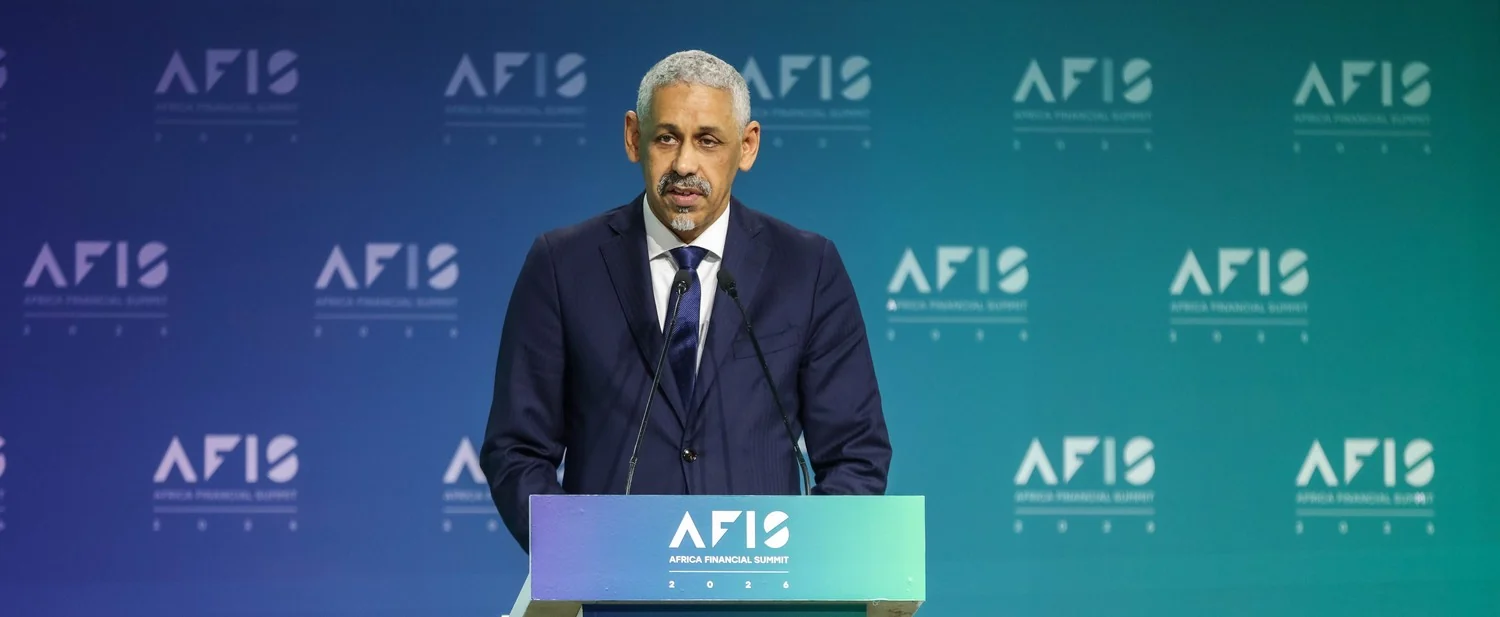
At the Africa Financial Summit (AFIS) in Luanda, leaders faced an uncomfortable contradiction: African banks are highly profitable, yet many businesses still cannot get affordable, long-term credit. McKinsey put African banks’ return on equity at 19% in 2024, roughly double the global average of about 10%.
That profitability has not translated into enough lending to the private sector. Angola’s minister of state for economic coordination, José de Lima Massano, said profitable financial institutions are still leaving credit to businesses “limited in many” African economies.
For a student, graduate or founder, this is not an abstract policy debate. It is the difference between a business idea staying on a laptop and becoming a shop, a processing plant, a logistics company or a hiring employer.
The money is there
The African Development Bank estimates that Africa holds more than $4 trillion in long-term domestic savings, while facing a development-financing gap of more than $400 billion a year. The problem is not simply that Africa lacks capital. The capital is often locked in pension funds, insurers, banks and other institutions that need safe, well-structured places to invest it. African pension funds and insurers alone hold about $775 billion in assets money that could finance long-term projects if the risks and returns were clear enough.
What exists What businesses need The missing link
$4 trillion in long-term domestic savings Affordable loans, equity and patient capital Investment-ready projects and risk-sharing tools
$775 billion in pension and insurance assets Financing for SMEs, agriculture and manufacturing Guarantees, insurance and credible project pipelines
Profitable banks Working capital, equipment finance and growth capital Lower lending risk, better collateral systems and longer tenors
Why SMEs still struggle
Small and medium-sized enterprises are the businesses most likely to create entry-level jobs, yet they remain underfinanced. The Deloitte-AFIS barometer found that 64% of surveyed institutions report significant commitment to SME financing but commitment is not the same as capital reaching a young entrepreneur’s account. A founder may have customers, orders and a plan, but still be rejected because they lack collateral, a long credit history, audited accounts or a bankable project document. That is the practical wall AfDB president Sidi Ould Tah described: the young entrepreneur with orders and a strategy should be able to access a viable loan. For early-stage founders, the implication is clear: a strong idea is necessary, but it is not enough. You also need financial records, a clear market, realistic cash-flow projections and an understanding of what lenders and investors are actually pricing.
What NAFAD is trying to fix
The African Development Bank is promoting a New African Financial Architecture for Development (NAFAD). In plain English, it aims to connect African savings, financial institutions and investment opportunities more effectively. Its core idea is risk-sharing. Pension funds and insurers cannot simply hand savings to risky startups or unproven infrastructure projects. But guarantees, trade insurance and blended finance can absorb part of the risk, making it safer for private capital to fund productive businesses and projects. That matters because it could change the kind of money available to entrepreneurs: not only short-term, high-interest working capital, but longer-term finance for equipment, inventory, expansion and job creation.
Payments are part of the problem
Cross-border business in Africa remains expensive and complicated. The Pan-African Payment and Settlement System, PAPSS, says it now covers more than 30 countries and connects more than 200 banks and payment providers.
But adoption is still weak: only 11% of institutions surveyed by Deloitte are connected to PAPSS, while 45% have no plans to join.
For a founder selling beyond their own country, that translates into slower payments, currency headaches, higher transaction costs and less confidence to take cross-border orders. Better payment rails would not solve every financing problem, but they would make regional trade more realistic for smaller businesses.
What to watch next
Do not judge AFIS by the size of its announcements. Judge it by whether the following becomes easier over the next 12 to 24 months:
• SME lending: Are banks and development financiers creating products for businesses without traditional collateral?
• Local-currency finance: Are entrepreneurs able to borrow and trade without carrying excessive foreign-exchange risk?
• Guarantees and insurance: Are pension and insurance funds being connected to credible SME, agriculture and manufacturing investments?
• PAPSS adoption: Are more banks and fintechs actually joining, rather than merely endorsing it?
• Project preparation: Are governments and financiers funding the feasibility studies, legal work and data needed to make projects investable?
What you can do now
If you are a student or early-career professional, build skills at the intersection of finance and the real economy: financial modelling, credit analysis, impact investing, trade finance, data analysis and project preparation. The bottleneck is not only capital it is the people who can turn an opportunity into an investable deal.
If you are building a business, treat finance readiness as product development. Keep clean records, separate personal and business accounts, track cash flow, document customer demand and understand your unit economics before approaching a bank, angel investor or development finance institution.
If you want to hold institutions accountable, track whether NAFAD produces accessible loans, longer-term capital and completed projects not just summit communiqués. Africa does not need another speech about unlocking capital; it needs capital that reaches the young woman opening a shop, the farmer scaling production and the founder hiring their first team.