
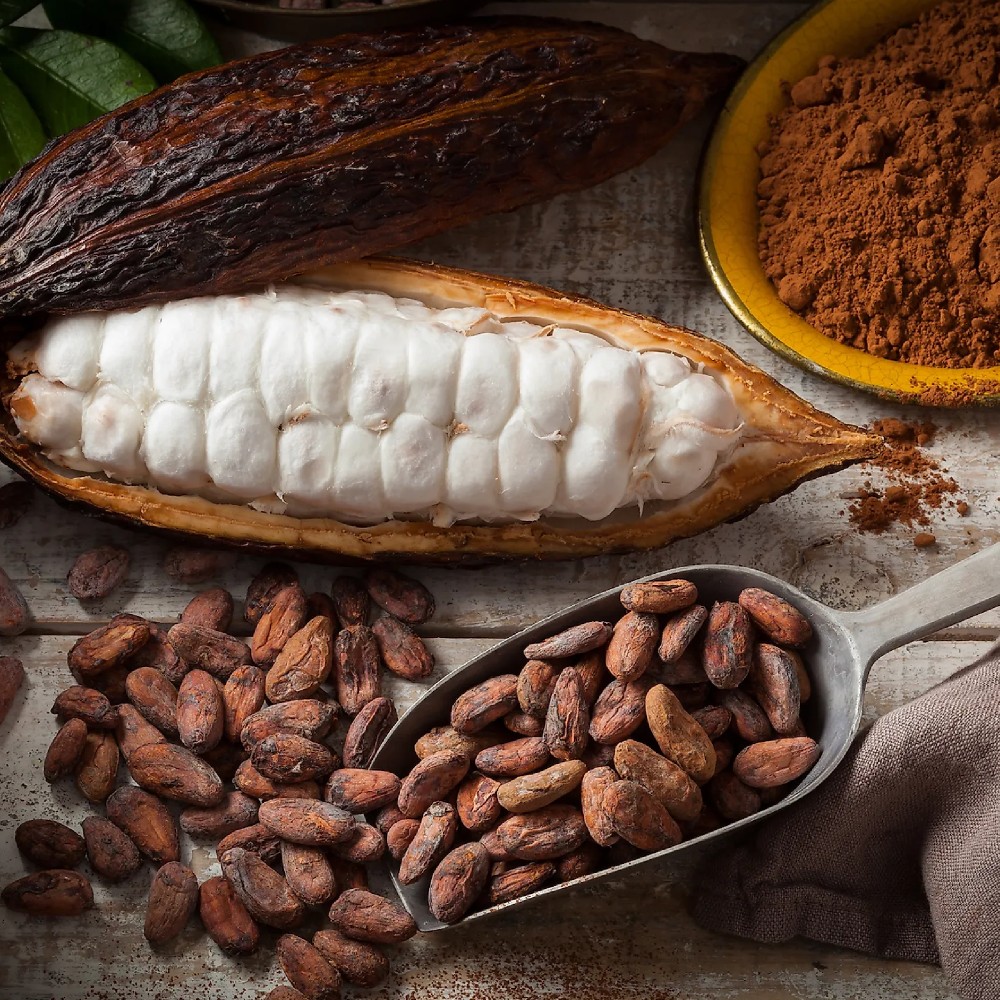
Côte d’Ivoire, the world’s biggest cocoa producer, could lose between 21% and 25% of its cocoa harvest because of an unusually intense El Niño event. That is not just a farming problem: it threatens farmers’ incomes, government export earnings, chocolate prices, and jobs across a sector that supports roughly five million people.
The warning comes from Sodexam, Côte d’Ivoire’s national meteorological agency. It expects rainfall to fall by 10% to 27%, temperatures to rise, and the dry season to last longerconditions that can cause young cocoa pods to shrivel or drop early, flowers to fail, and trees to lose leaves.
Why this matters beyond cocoa
Côte d’Ivoire supplies nearly 40% of the world’s cocoa. Cocoa accounts for about 15% of the country’s GDP and supports around five million people directly or indirectly.
What changes Who feels it first Why it matters
21%–25% lower cocoa output Farmers, farm workers, cooperatives Less harvest means less income and fewer seasonal jobs.
Lower export earnings Government, local businesses, public services Cocoa is a major source of foreign exchange and state revenue.
Tighter global supply Chocolate brands, food manufacturers, consumers When supply falls, buyers may pay more for cocoa, which can eventually show up in chocolate prices.
Longer dry spells and heat Rural communities, small businesses, young people seeking farm work Climate stress can reduce work opportunities and raise the cost of running farms and food businesses.
The “So What?” for you
If you are a student, graduate, or early-stage founder, treat this as a lesson in how climate risk becomes an economic risk.
• If you study agriculture, environmental science, economics, logistics, or data: climate forecasting, irrigation, crop resilience, supply-chain analytics, and commodity-market analysis are becoming practical career skills not niche topics.
• If you run or plan to start a food, retail, or export business: build price volatility into your plan. A cocoa-dependent product can face higher input costs even if your business never touches a farm.
• If you are job hunting: watch for roles in climate adaptation, agricultural finance, weather-risk insurance, rural development, and sustainable supply chains. These are areas where governments and companies may need more people.
• If you care about policy: ask what is actually being funded. Sodexam has recommended drought-resistant cocoa varieties, supplementary irrigation, and agroforestry planting trees alongside crops to improve shade, soil moisture, and resilience.
What to track next
- Cocoa prices and supply updates. A production shortfall in Côte d’Ivoire can move global cocoa prices; futures had already risen above $5,200 per tonne as supply concerns intensified
- Rainfall and temperature forecasts through early 2027. Sodexam expects the El Niño effects to continue into April or May 2027, so this is not a one-week headline.
- Government adaptation spending. The useful question is not whether officials are “concerned,” but whether farmers receive drought-tolerant seedlings, irrigation support, and financing before the next planting cycle.
- Opportunities in climate-smart agriculture. If you want to build something, look at affordable irrigation, soil-moisture monitoring, shade-tree planting services, weather data for farmers, or logistics tools that reduce post-harvest losses.
The bigger point is simple: when nearly 40% of the world’s cocoa comes from one country, a weather event there can reshape incomes, prices, and career opportunities far beyond the plantation.