
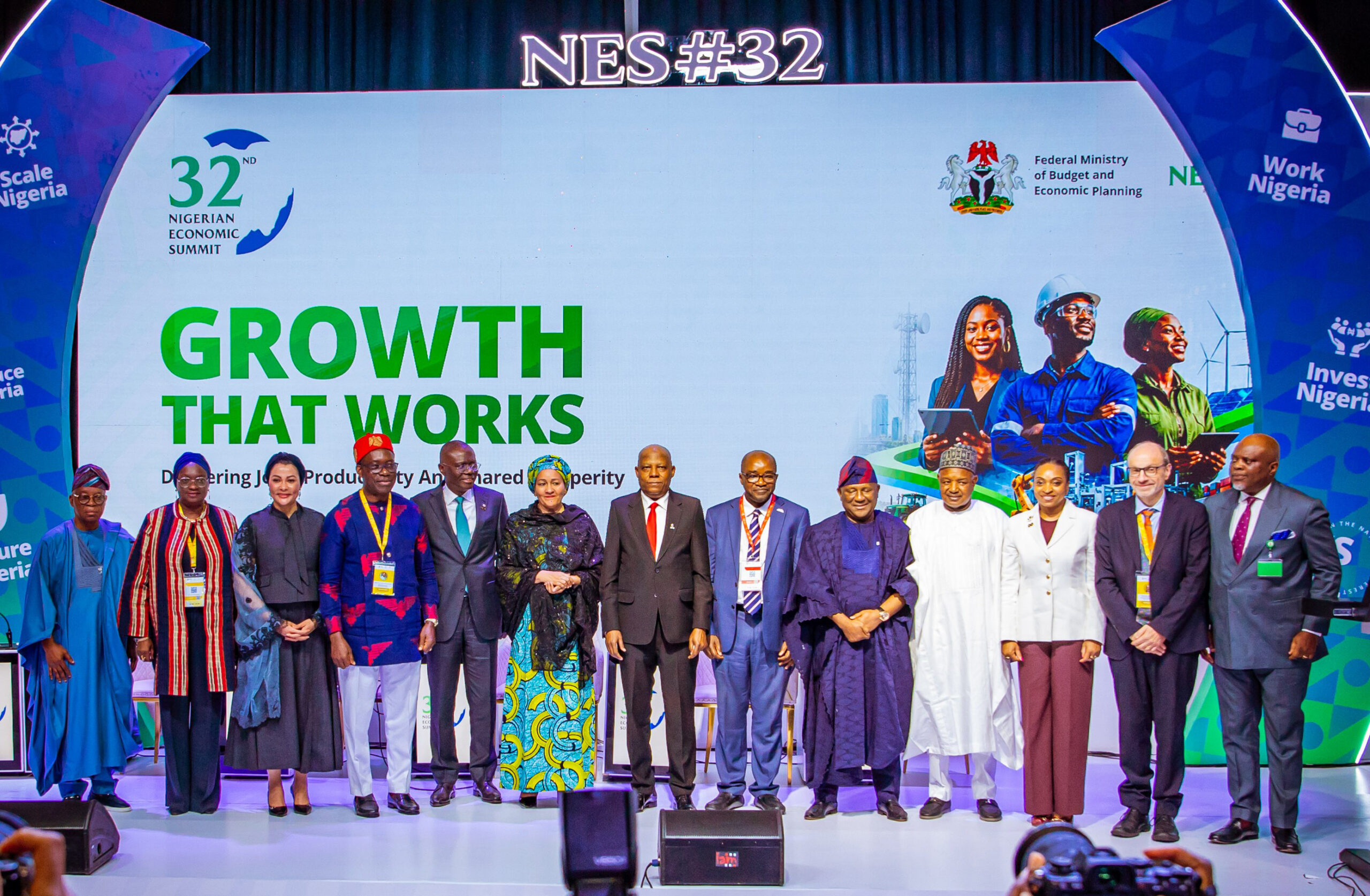
Nigeria has achieved a measure of macroeconomic stabilisation, but the next test is whether reform can deliver jobs, productivity, lower poverty and improved household welfare. The summit’s theme, “Growth that Works like Delivering Jobs, Productivity and Shared Prosperity,” framed this shift from reform to results.
Finance Minister Taiwo Oyedele presented the draft Nigeria Economic Policy Framework as a durable “national economic doctrine,” not a short-term development plan. It is organised around seven systems stability, productivity, enterprise, capital, people, markets and institutions and rests on enterprise led growth, open but fair markets, and whole-of-government coherence.
Its most consequential proposals are mandatory policy impact assessments and an annual national economic scorecard intended to reduce policy reversals and measure progress through real wages, productive jobs and poverty rather than GDP alone. Public consultation runs until 27 November 2026.
From stability to prosperity
Speakers repeatedly warned that better indicators are not yet prosperity. Growth of roughly 4% is below the 7–9% range needed to reduce poverty materially, while inflation, high lending rates and insecurity continue to constrain production and household welfare.
The proposed remedy is a “development bargain”, sustained macroeconomic discipline, private-sector-led and export oriented growth, higher investment toward 30–40% of output and institutions capable of correcting policy mistakes.
Work Nigeria Align education, vocational training and labour-market data with employer needs, tackle the foundational-learning crisis.
Five priorities
Produce Nigeria Move from imports and raw commodities to value addition, manufacturing and competitive exports.
Invest Nigeria Improve fiscal transparency, domestic revenue, social protection and long-term capital.
Scale Nigeria Unlock state-level growth, infrastructure, AfCFTA access and regional value chains.
Secure Nigeria Treat security as an economic issue by lowering business costs and enabling production.
What must change
• Policy certainty: Major economic decisions should undergo impact assessment, with clear beneficiaries, costs, evidence and exit conditions.
• Production and exports: Nigeria needs value addition, non oil exports and access to markets not merely a larger domestic market.
• Trade logistics: Ports, border delays, inland waterways and regional corridors must become faster and cheaper for businesses to use.
• Human capital: Curricula, vocational training and business led education investment must close the gap between classrooms and workplace skills.
• Fiscal credibility: Digitized revenue collection, broader tax bases, performance budgeting and visible use of public funds are needed to rebuild trust.
• Security and inclusion: Community-based policing, targeted social protection, rural connectivity and responsible digital tools should connect growth to ordinary citizens.
NES#32’s message was blunt: stabilization is necessary but insufficient. Nigeria’s next economic phase must convert reform into productive investment, competitive enterprises, secure communities, better public services and jobs that raise living standards.