Senegal Just Hosted Africa’s First Olympic Event. Here’s What That Means for You
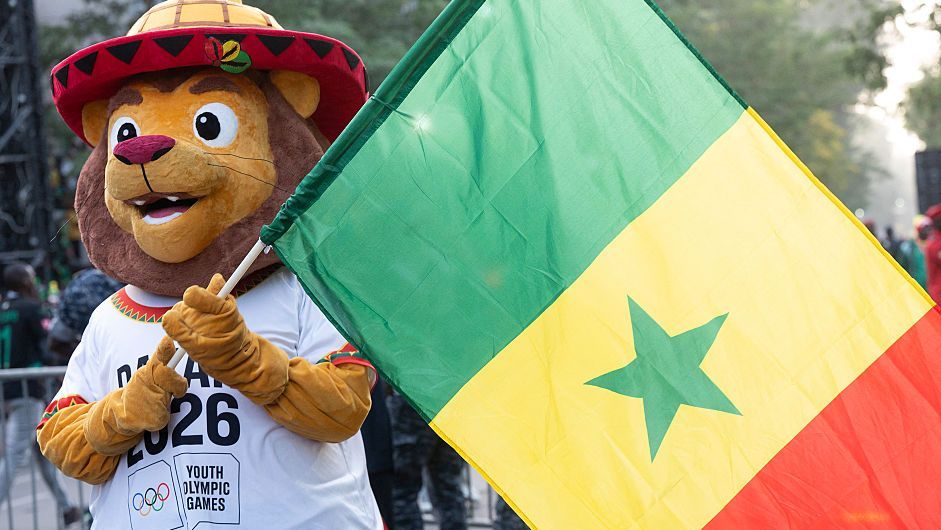
Senegal is now hosting Dakar 2026, the first Olympic sporting event ever held in Africa. It is a major symbolic win but the real opportunity is not the opening ceremony. It is the jobs, skills, networks, and business openings created when a continent finally gets a seat at the table in global sports.
If you are a student, graduate, or building something small, this is not just “Senegal’s moment.” It is a preview of where opportunities may appear next: sports management, hospitality, digital media, logistics, event production, and youth-focused services.
The Dakar 2026 Youth Olympic Games opened on 31 October 2026 and run until 13 November 2026. Around 2,700 athletes aged 14–17 from 204 National Olympic Committees are competing across 25 sports in Dakar, Diamniadio, and Saly.
Senegal was chosen in 2018 to host the Games, but COVID-19 pushed the event from 2022 to 2026. That delay makes the achievement even more important: Senegal did not just win a bid; it had to keep the project alive through a global disruption.
Why This Matters More Than a Trophy
Africa has competed in the Olympics for decades, but it had never hosted an Olympic event. That means much of the expertise around staging major games venue operations, athlete logistics, broadcasting, security planning, sponsorship activation, and international media has historically been built elsewhere.
Dakar 2026 changes that. More than 6,000 volunteers are supporting the Games, and over 400 young Africans have received training to organize major sporting events. Those are not just temporary roles; they are transferable skills for conferences, concerts, festivals, sports leagues, tourism, and large-scale business events.
If you are… What to pay attention to How to position yourself
A student Sports management, event operations, media, tourism, logistics, French/English communication Take short courses, volunteer locally, and build a portfolio around events not just certificates
A fresh graduate Hospitality, broadcasting, digital content, athlete services, translation, customer experience Apply for entry-level roles with event companies, hotels, agencies, sports federations, and media houses
An early-stage founder Merchandise, food delivery, transport, creator content, sports-tech, youth travel, local experiences Build for young audiences and test small services around sporting events before scaling
A creator Athlete stories, behind-the-scenes content, African sports culture, youth entrepreneurship Cover the human side of the Games; global sports coverage often misses local context
Do not assume that hosting an Olympic event automatically makes everyone richer. Big events can bring investment and visibility, but they can also create short-term contracts, uneven benefits, and pressure on local infrastructure.
The useful question is: who captures the value? If young Senegalese people gain practical experience, local businesses win contracts, and the country builds reusable venues and systems, then the Games create durable value. If the benefits disappear when the athletes leave, it becomes an expensive celebration.
That is why the training programmes matter. Skills stay after the event ends; a two-week contract may not.
The Gaps to Watch
• Local access: Are young people outside Dakar able to access jobs, training, and business opportunities or mainly those already connected to institutions?
• Follow-through: Will the volunteer and event-management training continue after November, or end with the Games?
• Business inclusion: Are small vendors, creators, and local service providers getting real contracts, or only large companies?
• Career pathways: Can event experience translate into permanent jobs in tourism, sports, media, and logistics?
• Future bids: Will Dakar 2026 make it easier for another African city to host a senior Olympic Games, or remain a one-off?
What To Do Next
- Study the business of events, not only the sport. Learn event operations, sports marketing, sponsorship, hospitality management, logistics, or digital media. These fields turn a global event into a career.
- Build proof, not just interest. Create a simple portfolio: cover a local tournament, interview a volunteer, make a short video about sports business, or write a case study on Dakar 2026. Employers and clients respond to evidence.
- Track the jobs and contracts. Follow Senegalese sports bodies, event agencies, hospitality groups, broadcasters, and the IOC. Watch for post-Games roles in operations, communications, tourism, and project management.
- Apply for programmes early. Look for volunteer programmes, internships, sports fellowships, youth business grants, and creative residencies connected to African sport and events. Do not wait for a job advert to appear.
- If you run a business, solve a small problem. Think: transport for fans, affordable accommodation, local food delivery, athlete-focused content, translation, merchandise, or youth travel experiences. Start with one clear service and one reachable customer group.
- Demand accountability. Ask local institutions what happens after the Games: How many young people were trained? How many local businesses received contracts? What infrastructure remains usable? Public attention is part of the value.
Senegal has done something no African country has done before. But history is only useful if it creates access. For young Africans, Dakar 2026 should be read as a signal: the sports and events economy is opening up, and the people who prepare now through skills, portfolios, networks, and small businesses will be best placed to benefit from what comes next.