

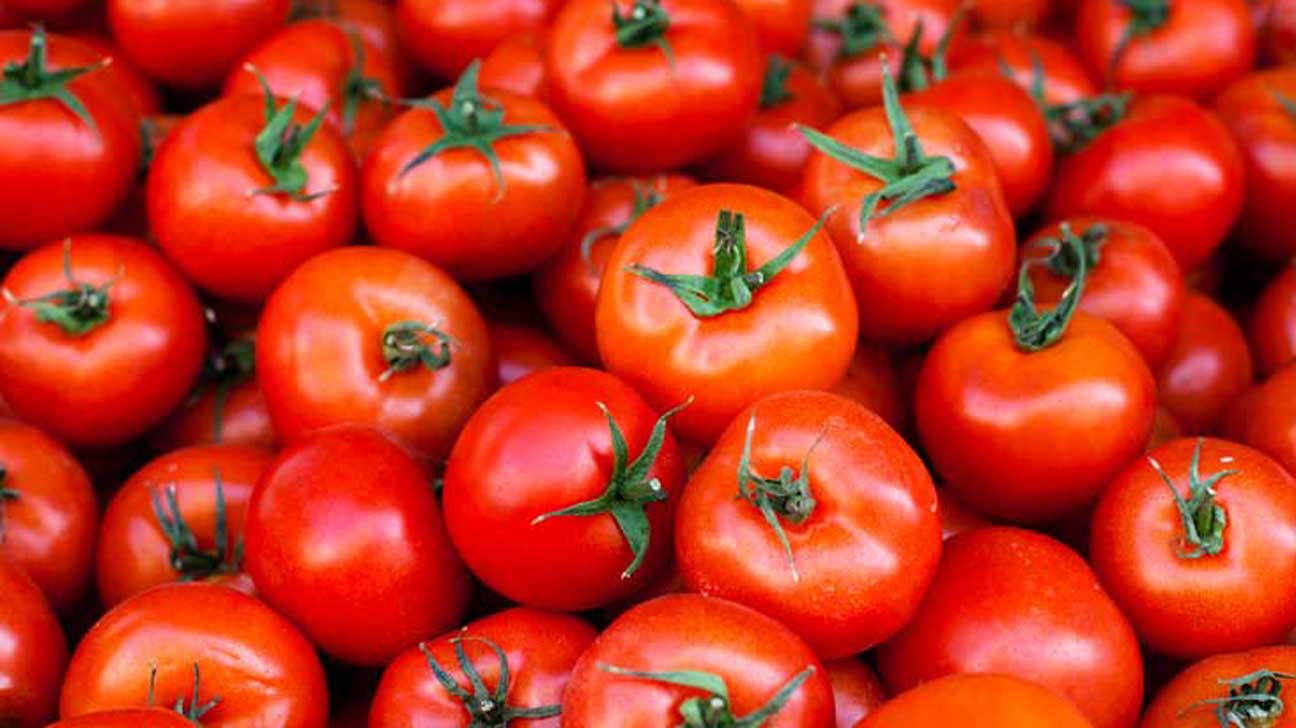
Morocco has paused tomato exports to African markets to bring prices down at home. If you think that's a niche farming story, it isn't. It's a live case study in what happens when food, fuel and policy collide, and it's the kind of thing that quietly reshapes your grocery bill and the cost of doing business.
On Thursday, exporters serving African markets were told to stop shipping tomatoes. Officials call it temporary and say exports will resume soon, but no end date has been given. Tomatoes headed to Europe are exempt. Those shipments earn more per kilo, so they were left alone.
Why prices spiked
Three things stacked up:
Less supply and higher costs at the same time is a recipe for pricey tomatoes. Add exports pulling stock out of the country, and shoppers at home get squeezed.
• Morocco is the EU's second-largest tomato supplier, but its African market is small. So this pause hurts less than it sounds. The big-money customers are being protected.
• Agricultural exports grew 4.3% in the first nine months of the year, hitting 33.1 billion dirhams (about $3.4 billion). The government clearly doesn't want to choke that growth, which is why it's pausing one slice rather than shutting the door.
• The finance minister said last week that the state will regulate food exports to push prices down. The government is also keeping transport subsidies and plans regional distribution companies to cut out middlemen. A government spokesman talked about "food sovereignty" when asked about the halt.
The gaps
• Nobody has said how long "temporary" lasts.
• No details on the paperwork, penalties or compensation for exporters who now have perishable stock and nowhere to send it.
• The African buyers who were counting on those tomatoes got the short end, and no one is talking about what happens to them.
The higher-paying European Market. When supply is tight, the customer who pays the most often gets served last to be cut off. Food prices are one of the fastest ways inflation hits a budget, especially when your income is small or still being built. And if you run, or plan to run, anything that touches sourcing, shipping or food, this is a reminder that a government can change your supply overnight with a phone call.
What to do next
• Learn how export controls, commodity pricing and supply chains work. Short courses on agricultural trade or logistics pay off in many careers, not just farming.
• Watch for an official announcement on resuming exports, local tomato prices over the next few weeks, and fertiliser and fuel costs. Also watch whether other fresh produce gets the same treatment, since Morocco has done this before.
• The plan for regional distribution companies means demand for people who can run logistics, cold storage, route planning and data. If that's your lane, keep an eye on those openings and on any supplier tenders that follow.
• If you buy from or sell into affected markets, get delivery terms, price adjustments and what if clauses in writing. Ask suppliers directly how a policy change would affect your order before it happens, not after.