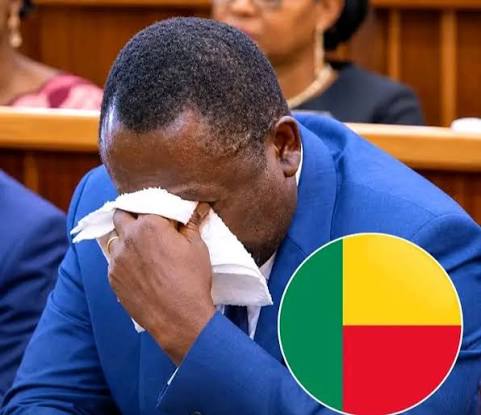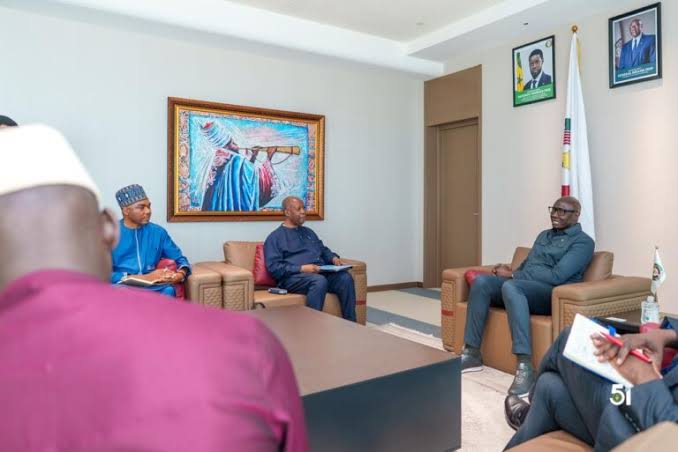

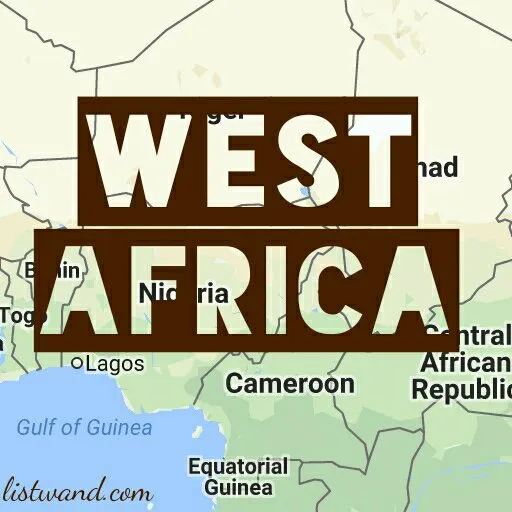
Benin, Côte d'Ivoire, Senegal, and Burkina Faso signed three bilateral roaming agreements on October 23, 2026, in Ouagadougou. Roaming costs between these countries are being eliminated. If you travel, study, or do business across West Africa, your phone bill is about to shrink. If you're building a startup that relies on cross-border customers, a major cost barrier just fell.
These aren't struggling economies. The World Bank puts 2025 growth at 8.1% in Benin, 6.5% in Côte d'Ivoire, 6.7% in Senegal, and 5.3% in Burkina Faso. That's some of the fastest growth on the continent. The roaming deal is designed to convert that GDP growth into cheaper transactions and more cross-border trade.
Zoom out further. According to GSMA, mobile technologies and services contributed $240 billion to Africa's economy in 2025 7.8% of the continent's GDP and support roughly 13 million jobs. Mobile isn't a side sector. It's infrastructure. Cheaper roaming means cheaper market access.
Aminata Zerbo, Burkina Faso's Minister of Digital Transition, framed it as a people-first mandate:
Patrice Compaoré, Executive Secretary of the Communications Regulatory Authority, was more concrete:
If you're a student or fresh graduate:
- Study regional integration and telecom policy. The regulatory harmonization work is just starting, and it needs people who understand it. Look at programs in digital policy, ICT regulation, and trade integration at universities in these four countries and at regional bodies like ECOWAS.
- Track job openings at national regulators — ARCEP (Burkina Faso), ARTCI (Côte d'Ivoire), ARTP (Senegal), and Benin's regulator. These agencies will be hiring to implement and monitor the agreements.
- Watch for internships at GSMA and the World Bank's digital development teams. Both are directly involved in measuring and supporting this sector.
If you're an early-stage founder: - Reassess your cross-border go-to-market. If your product relies on SMS, USSD, mobile money, or app-based services across these four countries, your customer acquisition and retention costs just dropped. Model it.
- Build for mobility. Services for travelers, cross-border traders, students studying abroad, and diaspora remittances are now cheaper to run. That's a market opening.
- Apply for regional startup support. Look at programs run by the African Development Bank, ECOWAS, and national incubators like CTIC Dakar, Sèmè City (Benin), and Bond'Innov (Côte d'Ivoire) these are the channels through which digital integration funding will flow.
If you're a founder or anyone building a career Four countries signed the paperwork. The real story is whether the tariffs actually fall and what you build, study, or apply for while the window is open. The agreements give you a cheaper market. It's on you to use it
Four countries signed the paperwork. The real story is whether the tariffs actually fall and what you build, study, or apply for while the window is open. The agreements give you a cheaper market. It's on you to use it.