
Africa’s richest man is taking his refinery model to East Africa. Here’s what that actually means—for fuel prices, for jobs, and for anyone tired of hearing “imported petroleum” as the answer to everything.
“The best way to predict the future is to create it.” — Alan Kay
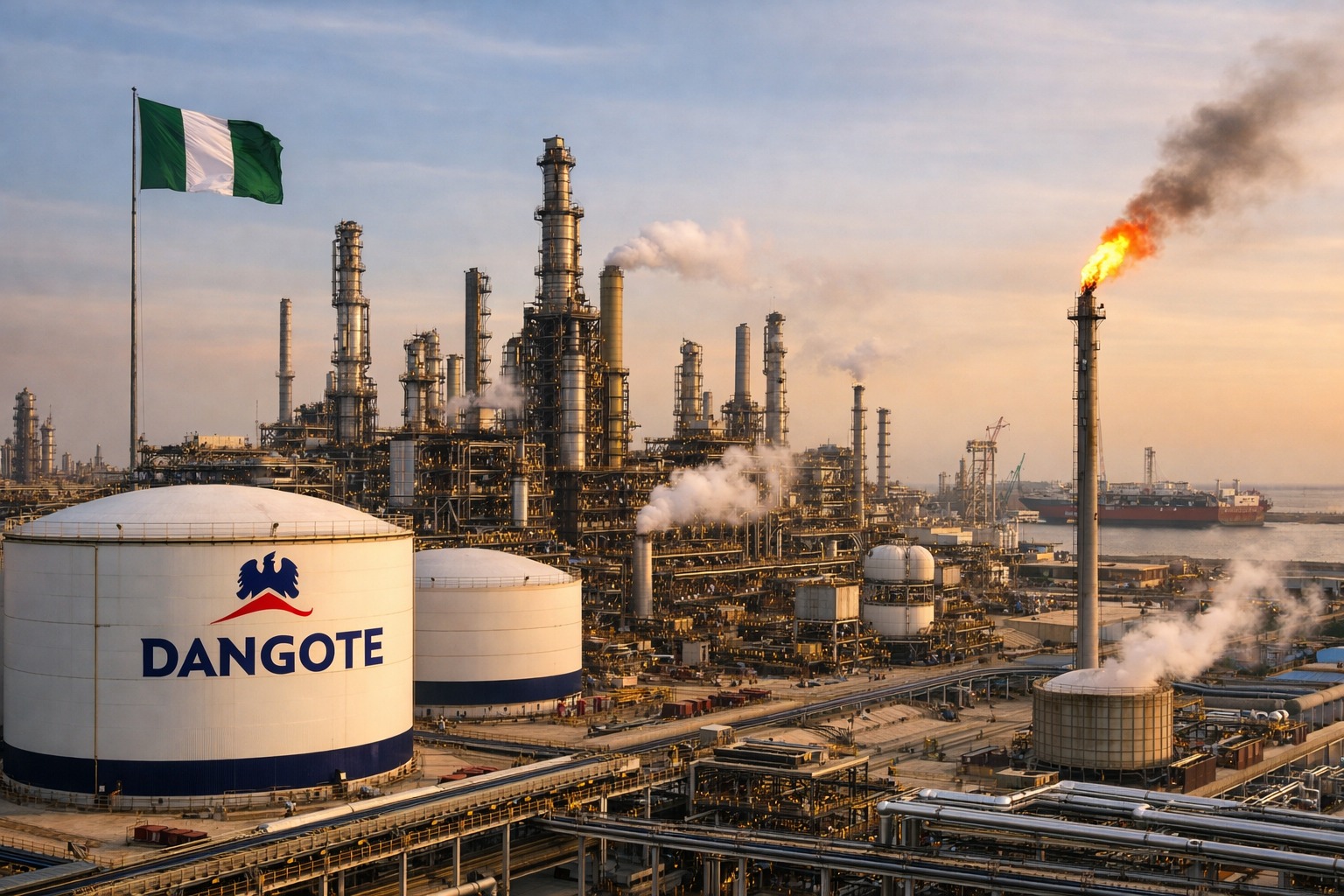
Aliko Dangote didn’t become Africa’s richest man by waiting for permission. He built a 650,000 barrels-per-day refinery in Lagos—the largest single-train refinery in the world—and changed the conversation about what Africa can manufacture, not just extract.
Now he’s eyeing East Africa.
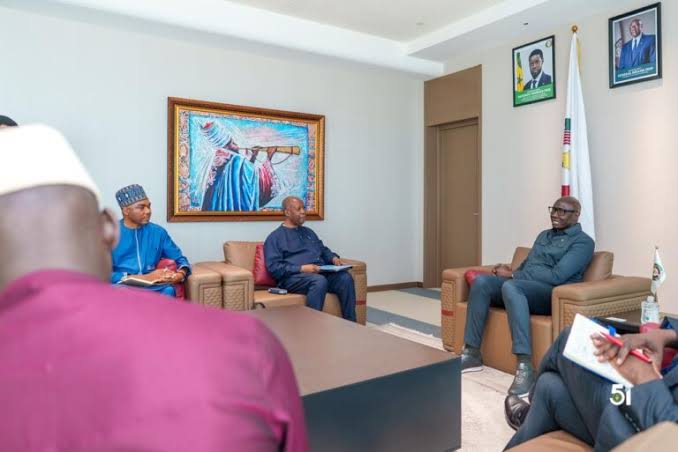
In a conversation with Channels Television this week, Chinnan Dikwal broke down what’s happening: Dangote is exploring plans to replicate his refinery model in East Africa. The goal? Reshape the region’s fuel supply and slash dependence on imports.
In plain English? Instead of East African countries buying refined fuel from Europe, Asia, or even West Africa, they could produce it themselves—with Dangote’s capital, expertise, and playbook.
“Fortune favors the bold.” — Virgil
WHAT ACTUALLY HAPPENED (Plain English Edition)
The Model: Dangote’s Lagos refinery processes 650,000 barrels of crude oil per day. It’s already operational and designed to meet West Africa’s fuel needs.
The Expansion: Dangote Group is now exploring similar facilities in East Africa—though specific countries, timelines, and investment figures haven’t been publicly announced.
The Pitch: Reduce import dependence, create local jobs, build energy infrastructure, and keep fuel supply chains within African control.
The Conversation: Chinnan Dikwal joined Channels Television to discuss the opportunities (energy independence, job creation), risks (policy gaps, market volatility), and requirements (government support, infrastructure) for this expansion.
The Source: Facts drawn from Channels Television reporting, with original analysis from DevNews.Africa.
WHY EVERY AFRICAN SHOULD CARE
Because fuel prices don’t just affect cars. They affect everything.
If this works:
- Cheaper fuel: Local refining cuts shipping costs, middlemen, and import taxes. That should—should—translate to lower prices at the pump.
- Jobs: Refineries don’t run themselves. They need engineers, technicians, logistics coordinators, safety officers, administrators. Thousands of jobs.
- Energy sovereignty: East African countries stop depending on foreign refineries that can raise prices, delay shipments, or cut supply during global crises.
- Industrial spillover: Cheap, reliable fuel attracts manufacturers. Factories open. More jobs appear. The economy diversifies.
If it doesn’t?
- Monopoly risk: One company controlling regional fuel supply creates dependency, not independence.
- Policy capture: Dangote’s influence could shape regulations in ways that favor his business over competition or consumer protection.
- Environmental concerns: Refineries are carbon-intensive. Climate commitments vs. development needs—who wins?
- Execution risk: Big projects can stall, go over budget, or fail to deliver promised benefits.
“Power tends to corrupt, and absolute power corrupts absolutely.” — Lord Acton
THE REAL QUESTION (It’s Not About Money)
Dangote has capital. That’s not the issue.
The question is: Who benefits?
When a project this big lands in a region, three things can happen:
Scenario 1: Inclusive Growth
- Local workers get trained and hired
- Local suppliers win contracts
- Government negotiates fair terms
- Competition is encouraged, not crushed
- Environmental standards are enforced
- Communities near refineries see real development
Scenario 2: Extractive Growth
- Profits flow out, not in
- Jobs go to expats or a small elite
- Regulations are weakened to attract investment
- Competition is blocked
- Environmental damage is externalized
- Communities bear the costs, not the benefits
Scenario 3: Failed Execution
- Project stalls mid-construction
- Cost overruns bankrupt stakeholders
- Political opposition blocks progress
- Market conditions shift, making it unviable
- The refinery becomes a white elephant
This conversation on Channels Television touched on “opportunities, risks, and policy requirements.” That’s diplomatic language for: This could go very right or very wrong, and the difference is governance.
“The road to hell is paved with good intentions.” — Saint Bernard of Clairvaux
THE CATCH (BECAUSE THERE’S ALWAYS ONE)
The Lagos Lesson
Dangote’s Lagos refinery is operational. But it’s faced challenges:
- Crude supply: Securing consistent Nigerian crude has been complicated by domestic politics and OPEC quotas
- Pricing: Government price controls vs. market rates created tension
- Distribution: Getting refined products to market efficiently requires infrastructure that doesn’t always exist
- Competition: Importers who lost business pushed back politically
East Africa will have its own version of these challenges. Plus:
- Smaller markets: Individual East African countries have smaller fuel demand than West Africa’s giant economy
- Regional politics: Who gets the refinery? Kenya? Tanzania? Uganda? Ethiopia? Each has different advantages and risks
- Infrastructure gaps: Pipelines, ports, storage facilities—do they exist at the scale needed?
- Financing: Will Dangote fund this alone? With partners? With government support?
“Well done is better than well said.” — Benjamin Franklin
THE BIGGER PICTURE: AFRICA’S INDUSTRIAL MOMENT
This isn’t just about Dangote. It’s about a shift in strategy.
For decades, Africa exported raw materials and imported finished goods. Crude oil out. Refined fuel in. Cocoa beans out. Chocolate in. Iron ore out. Steel in.
That model enriched trading nations. It kept Africa dependent.
Now, a new generation of African industrialists—and the governments that support them—are asking: Why not process it here? Why not add value here? Why not keep the jobs and profits here?
Dangote’s Lagos refinery was a proof of concept. If East Africa gets its own version, it becomes a pattern.
THE DEVNEWS.AFRICA TAKEAWAY
Here’s the unvarnished truth:
Aliko Dangote is not a philanthropist. He’s a businessman. And that’s good news—because philanthropy scales poorly. Business scales beautifully.
If Dangote builds refineries in East Africa, it won’t be out of charity. It’ll be because the math works. And when the math works, it creates a template others can follow.
But remember: Private capital needs public accountability.
A refinery is infrastructure. Infrastructure shapes economies. Economies shape societies. So the question isn’t just “Will Dangote build it?” It’s:
- Will governments negotiate terms that protect consumers?
- Will regulators enforce environmental and labor standards?
- Will competition policy prevent monopoly abuse?
- Will local content requirements ensure jobs and skills stay in Africa?
- Will communities near refineries have a voice in how they’re built and operated?
“In matters of commerce, the law of nature is cooperation.” — Ruth Bader Ginsburg
Dangote can bring the capital. But Africa’s governments, civil society, and citizens must bring the vigilance.
Because energy independence isn’t just about who owns the refinery. It’s about who benefits from it.
Source: Channels Television. (2026). Inside Dangote’s $Billion Refinery Plan For East Africa, Chinnan Dikwal Speaks. https://www.youtube.com/watch?v=wJc0b9uCXoc