

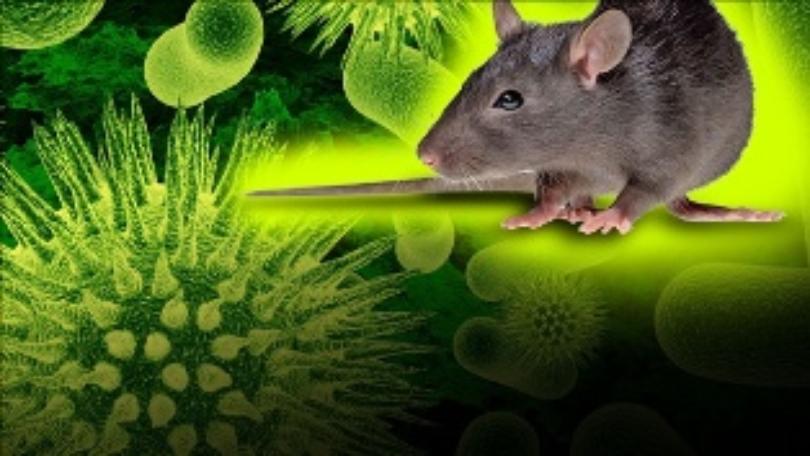
A British tourist on a cruise ship tested positive for a rare rodent-borne virus. Health officials say “don’t panic.” Here’s what that actually means—for the traveler, the frontline worker, and anyone tired of health scares sounding like horror movies.
“The frog that jumps without looking where it lands will end up in the chicken’s mouth.” — West African Proverb
Let’s start with a fact that should make you pause: Hantavirus is rare.
But “rare” doesn’t mean “irrelevant.” And “don’t panic” doesn’t mean “don’t pay attention.”
Last week, South Africa’s Department of Health confirmed a rare Hantavirus case in a critically ill British national who had been traveling on the cruise ship MV Hondius. The ship carried around 150 passengers on a route from Argentina to the Canary Islands, passing Antarctica, the Falklands, South Georgia, and several remote Atlantic islands.
The patient was evacuated from Ascension Island to a private hospital in Sandton for advanced care. Laboratory tests confirmed Hantavirus—a virus carried by rodents that can cause severe respiratory illness.
Two other passengers on the same voyage also died under concerning circumstances: a 70-year-old man who passed away on arrival at St Helena, and his 69-year-old wife who collapsed at OR Tambo International Airport and died at a nearby facility. Lab results for the second passenger are still pending.
In plain English? A rare virus showed up in an unexpected place. Health officials are responding. The public is being told: stay informed, not afraid.
“Well done is better than well said.” — African Proverb
WHAT IS HANTAVIRUS, ACTUALLY?
Forget the medical jargon. Here’s what you need to know:
✅ How it spreads: Primarily through contact with rodent urine, droppings, or saliva. Not typically person-to-person.
✅ Common symptoms: Fever, headache, muscle aches, abdominal pain, diarrhoea. In severe cases: cough, shortness of breath, fluid in the lungs.
✅ Who’s at risk: People who live, work, or travel in areas with high rodent exposure—rural settings, storage facilities, poorly sealed buildings.
✅ Treatment: Supportive care. No specific antiviral cure. Early medical attention improves outcomes.
✅ Prevention: Seal homes against rodents, avoid stirring up dust in rodent-infested areas, wear masks when cleaning high-risk spaces, store food securely.
“A river that forgets its source will run dry.” — Yoruba Proverb
Prevention starts with understanding the source.
THE OFFICIAL STORY VS. THE MACHINERY
The South Africa’s Department of Health’s message is clear: “There is no need for the public to panic.”
Why? Because:
- Only two passengers from the cruise have been within South African borders.
- Hantavirus is not easily transmitted between humans.
- Contact tracing is underway to identify and monitor anyone who may have been exposed.
- The World Health Organization is coordinating a multi-country response to contain potential spread.
But “no panic” isn’t the same as “no action.”
Behind the scenes, health authorities are:
- Working with the National Institute for Communicable Diseases (NICD) and Gauteng Health to trace contacts.
- Monitoring travelers who may have interacted with the affected passengers.
- Preparing healthcare facilities to recognize and isolate potential cases.
- Communicating risk without fueling stigma or misinformation.
“When the moon is shining, the cripple becomes hungry for a walk.” — Zulu Proverb
The moon is shining. But walking safely requires a clear path.
THE HUMAN STAKES
Forget the headlines for a moment. Think about the people behind the numbers.
A frontline nurse in Johannesburg reads the alert. She wonders: Do I have the PPE I need? Do I know the protocol if a patient presents with these symptoms? Will my hospital support me if I’m exposed?
A young traveler in Cape Town sees the news. She wonders: Should I postpone my trip? What precautions should I take? Who do I call if I feel sick after returning?
A community health worker in a rural area reads about rodent-borne transmission. He wonders: Do we have the resources to educate households on prevention? Can we seal clinics against rodents? Is clean water and waste management a priority here?
These aren’t hypotheticals. They’re the daily reality for millions.
The WHO’s multi-country coordination matters because viruses don’t respect borders. But coordination only works if information flows clearly, resources reach the frontlines, and communities trust the messengers.
WHAT WE’RE WATCHING
- Contact tracing transparency: Will authorities share clear, timely updates on who is being monitored—without violating privacy or fueling stigma?
- Healthcare readiness: Are hospitals equipped with isolation protocols, diagnostic capacity, and staff training to handle rare pathogens without disrupting routine care?
- Public communication: Will messaging stay calm, factual, and accessible—or drift into alarmism or minimization?
- Rodent control investment: Will this incident catalyze longer-term investment in housing quality, waste management, and environmental health in high-risk areas?
- Traveler guidance: Will clear, practical advice reach tourists, cruise operators, and border officials to prevent future exposures?
THE CLOSE
Public health isn’t about fear. It’s about preparation.
Hantavirus is rare. But rarity doesn’t equal irrelevance. Every outbreak—however small—is a stress test for systems, communication, and trust.
“The truth is like a lion; you don’t have to defend it. Let it loose; it will defend itself.” — African Proverb
The truth here is simple: Viruses exploit gaps. Weak surveillance. Poor housing. Misinformation. Underfunded clinics.
Closing those gaps isn’t panic. It’s prudence.
South Africa’s health authorities are doing the right thing: responding quickly, tracing contacts, coordinating globally, and asking the public to stay informed, not afraid.
But the real test isn’t this single case. It’s whether the systems built to handle it become stronger, more equitable, and more resilient for the next challenge—whether it’s a rare virus or a common one.
“If you want to go fast, go alone. If you want to go far, go together.” — Pan-African Proverb
Public health is a team sport. Stay calm. Stay curious. Stay prepared.