
Four hundred billion dollars is the the annual gap between what Africa needs to build its future and what it can actually afford to fund. Roads that don’t wash away in the first rainy season. Power grids that don’t collapse when someone turns on a kettle. Schools that have books, not just buildings. Clinics that have medicine, not just good intentions. Jobs that pay enough to live on, not just survive.
Four hundred billion. Every year.
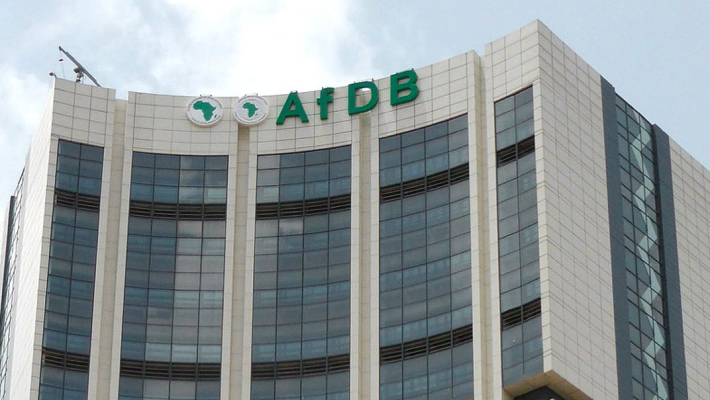
And while that number hangs over the continent like a storm cloud, three thousand delegates are gathering in Brazzaville for the African Development Bank’s annual meetings. They’ll talk about “mobilising development financing at scale in a fragmented world.” They’ll use words like “concessional,” “sovereign,” and “replenishment.” They’ll shake hands, take photos, and issue communiqués.
And somewhere in Kumasi, a young entrepreneur is staring at a business plan she can’t fund. In Mombasa, a clinic manager is rationing vaccines because the cold chain failed again. In Lagos, a civil engineer is watching a road project stall, not because the design was wrong, but because the money ran out.
“A river that forgets its source will run dry.” – Yoruba Proverb
Africa’s source isn’t foreign aid. It’s African capital. And that’s the quiet revolution happening behind the polished speeches in Brazzaville.
Because here’s the thing nobody argues about anymore: Africa isn’t broke. The continent holds an estimated four trillion dollars in domestic savings. Pension funds. Insurance pools. Sovereign wealth. It’s sitting in accounts, earning modest returns, waiting for a reason to move.
But capital doesn’t flow on good intentions. It flows on confidence. On structure. On risk that’s been measured, priced, and managed.
That’s where NAFAD comes in. The New African Financial Architecture for Development. It’s not a new bank. It’s a new way of connecting the money that exists to the projects that need it. Endorsed by African Union leaders earlier this year, it’s designed to do one thing: stop treating African savings like they’re too risky to invest in Africa.
“The frog that jumps without looking where it lands will end up in the chicken’s mouth.” – West African Proverb
Africa has jumped. Now it needs to land.
This year’s meetings are the first under Sidi Ould Tah, the AfDB’s new president. And if you’re wondering what a new leader actually changes, look at what he did before the gavel even fell: he secured an eleven billion dollar replenishment for the African Development Fund. That’s the concessional window; the soft loans and grants that keep fragile states from tipping over. Twenty-four African countries pledged nearly two hundred million of that themselves. Not charity. Ownership.
That’s the shift. Not “help us.” But “we’re in this together.”
But let’s be honest for a second. Frameworks don’t pave roads. Guarantees don’t hire teachers. Coordination mechanisms don’t keep the lights on. The real test of NAFAD won’t be whether it looks good on a slide. It’ll be whether a young agri-processor in Tamale can finally access the working capital she’s been denied for three years. Whether a municipal engineer in Lusaka can get the spare parts he needs without waiting six months for donor approval. Whether a youth-led tech startup in Dakar can scale without selling its soul to a foreign investor who doesn’t understand the market.
“Well done is better than well said.” – African Proverb
The meetings in Brazzaville will produce reports. They’ll launch initiatives. They’ll announce partnerships. All necessary. All insufficient.
Because the funding gap isn’t a math problem. It’s a trust problem.
Investors don’t withhold capital because they dislike Africa. They withhold it because they don’t understand the risk. Or because they do—and the price is too high. Or because the paperwork is so labyrinthine that only the biggest players can navigate it. NAFAD’s job isn’t to wish those barriers away. It’s to build the bridges that let capital cross them.
And that requires something harder than consensus. It requires coordination. African pension funds talking to African infrastructure funds. Central banks aligning with development finance institutions. Private equity partnering with public guarantees. Not in theory. In practice. With shared data, shared standards, and shared accountability.
“When the moon is shining, the cripple becomes hungry for a walk.” – Zulu Proverb
The moon is shining. The question is whether the path will be cleared or just mapped.
So what should you, the young professional, the entrepreneur, the citizen watching from the sidelines, take from all this?
First: the money exists. You’re not waiting on a miracle. You’re waiting on machinery.
Second: the machinery is being built. NAFAD isn’t a slogan. It’s a structure. And structures only work if people use them.
Third: your voice matters. Not in the plenary hall. In the boardroom. In the budget committee. In the community meeting where priorities are set. Development finance isn’t just for ministers and bankers. It’s for anyone who cares whether a project actually serves the people it’s meant to serve.
Africa doesn’t need to choose between foreign capital and domestic savings. It needs to wire them together. To create a system where a pension fund in Accra can invest in a solar mini-grid in Niamey with the same confidence it buys government bonds. Where a guarantee from ATIDI can de-risk a youth-led enterprise enough to attract private equity. Where success is measured not in dollars disbursed, but in jobs created, lights switched on, and businesses that survive past year three.
The meetings in Brazzaville will end. The delegates will fly home. The communiqués will be filed.
But the work, the real work happens after the applause fades.
“The truth is like a lion; you don’t have to defend it. Let it loose; it will defend itself.” – African Proverb
The truth here is simple: Africa’s development won’t be financed by hope. It will be funded by systems.
The $400 billion gap isn’t a verdict. It’s an invitation. To build. To connect. To trust. To act.
The capital is waiting. The blueprint is drawn. The leadership is in place.
Now it’s about who picks up the tools.
And who finally starts building.