
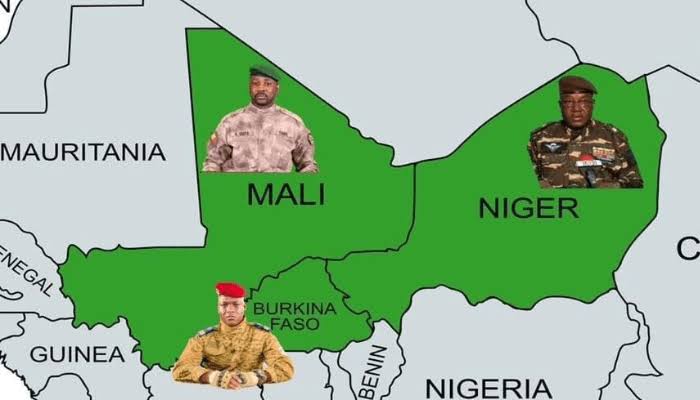
Mali, Burkina Faso and Niger walked out of ECOWAS in January 2025. On Saturday, they sat down with the bloc again in Dakar and agreed to set up working groups to negotiate a cooperation framework
The three countries have not rejoined ECOWAS, but they are trying to stop the split from making everyday life and business harder.
The ECOWAS–AES split is not just diplomatic drama. It affects borders, tariffs, payment systems, transport routes and whether goods and people can move easily.
The Sahel is a major corridor for trade between West Africa and North Africa. When relations freeze, costs do not stay in government offices they show up in transport fares, food prices, delivery timelines and the paperwork small traders must fight through.
For young West Africans, the stakes in this game can mean more internship, work and market opportunities and at the same time harder movement, fewer customers, higher costs and more uncertainty.
ECOWAS and the Alliance of Sahel States (AES) agreed to create joint working groups. Their job is to work out a framework for cooperation on issues such as trade, movement, security and regional ties.
This is a first step, not a reunion. There is no signed deal yet, no confirmed return date, and no guarantee that the talks will produce anything enforceable but the fact that both sides agreed to keep talking matters. It suggests they have recognized that a total breakoff is expensive for everyone especially for traders, transporters and families with links across borders.
The real test will be whether the working groups produce clear, measurable commitments: Are tariffs reduced or suspended? Can citizens move with less harassment? Will trucks stop waiting for days at checkpoints? Will banks and mobile-money operators get clearer rules for cross-border payments?
The talks are a chance to turn a political rupture into a workable arrangement. The question is whether the people who will feel it most students, traders, young workers and founders will see actual changes at the border, in their wallets and in their everyday opportunities.