
In the sweltering, malaria-thick summer of the late 80s, I found myself sharing a rattling, mahogany-paneled sleeper cabin on the Benguela Railway with a rather melancholic Zambian copper dealer and a bottle of lukewarm Mosi lager. The train had broken down somewhere in the vast, unforgiving bush of eastern Angola, surrounded by the rusted skeleton of a colonial empire.
To pass the time, and perhaps to justify the millions he had just lost to a bad hedge on the London Metal Exchange, my host pointed out the window at the warping, sun-baked tracks. He took a slow drag from his cigarette and explained to me the fundamental, unbreakable rule of empires:
“Speed, my friend, is the only currency that doesn’t depreciate. When the copper moves, the country eats. When the tracks rust, the country starves. Logistics isn’t just about moving things, It is the physical manifestation of leverage. He who controls the velocity of the track, dictates the price of the bread.”
He wasn’t speaking metaphorically. He was talking about survival. If you can move goods faster and cheaper than your neighbor, you don’t just save time; you dictate the market.
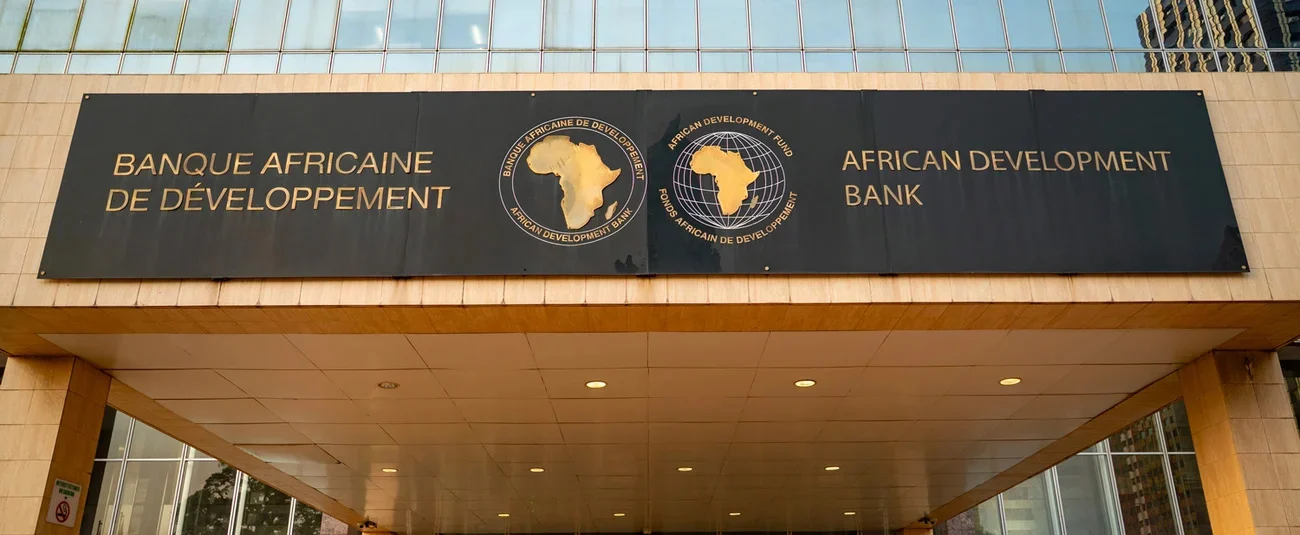
Which brings me to this morning’s press release from the African Development Bank (AfDB), and more importantly, to you.
Yes, you scrolling through this on your phone, probably while stuck in traffic, wondering how macroeconomic policy affects your ability to pay rent this month.
The mainstream development press is running a rather sterile, jargon-heavy piece today about the AfDB approving €205 million for Morocco’s “Rail Infrastructure Development Support Project.” The suits in Tunis and Rabat are calling it a “seamless integration of sustainable mobility and territorial connectivity.”
Let’s strip away the institutional poetry, shall we? Let me translate it into a language you can actually use.
Morocco is getting a quarter of a billion euros to make their trains go faster. They are extending the high-speed rail line and upgrading the Kenitra–Marrakech corridor. They are buying new rails, modernizing the Casablanca hub, and ensuring that freight and passengers move through the kingdom with surgical precision.
Now, I know exactly what you’re thinking. You’re sitting in a sweltering café in Yaba, Lagos, or dodging matatus in Nairobi, and you’re asking: ” I don’t live in Morocco. I’m just trying to scale my startup or find a decent job. Why should I care about a fancy train in North Africa?”
You should care because the rules of the African game are being rewritten in real-time, and the ink is still wet. Here is why this €205 million matters to your daily survival and your future wealth.
1. The Death of Friction and the Gravity of Capital
Capital is a coward; it absolutely despises friction. Multinational corporations and foreign investors look for the path of least resistance. By creating a hyper-efficient, high-speed logistics corridor, Morocco is aggressively removing friction.
When they say this project will “reduce logistics costs and facilitate trade flows,” what they actually mean is that Morocco is building a VIP lane for business. If you are a young entrepreneur in West or East Africa trying to attract foreign investment, or if you work for a company that relies on supply chains, you need to understand that the baseline for “efficiency” on this continent just shifted. Morocco is positioning itself not just as a destination, but as the ultimate gateway linking Europe and Africa. They are sucking up the Foreign Direct Investment (FDI). The high-paying jobs, the tech hubs, the corporate headquarters – they will naturally gravitate toward the place where the executives can zip from the airport to the boardroom in an hour, rather than a place where a three-mile journey takes two hours.
2. The Freight Domino Effect
You might not be taking the high-speed train to a meeting, but the freight will be on those tracks. The article explicitly mentions accommodating “growing passenger and freight traffic.”
Why does a young hustler care about freight? Because the cost of moving goods dictates the price of everything you buy and sell. If you are in the import/export business, or if you run an e-commerce logistics company, the efficiency of Morocco’s ports and rails will alter the pricing models for the entire northern half of the continent. When the arteries of trade clear up, the blood flows faster. You need to figure out how to position your business in the slipstream of that velocity, rather than getting run over by it.
3. The Bill Always Comes Due
Let’s not pretend this is a gift. €205 million is a loan. The AfDB is a bank, and like all banks, they expect a return on their investment, complete with interest.
How does a state pay for high-speed rail? Through the revenue it generates, and when that falls short, through taxes, tariffs, and reallocated national budgets. As a young African, you are the inheritor of this sovereign debt. The “development” you see on the brochure is often a leveraged buyout of your generation’s future. It is vital that you demand to know: is this infrastructure creating actual, tangible jobs for the youth, or is it just making the existing elite move faster?
So, how do you play this game?
You stop looking at infrastructure as just “government projects” and start looking at it as a map of where the money is going to flow.
Morocco is building the high-speed arteries. But what about the capillaries? The last-mile delivery networks, the local agri-logistics that feed the cities, the tech solutions that optimize the supply chains between these massive hubs? That is where the real opportunity lies for the young, gritty African entrepreneur. Don’t just try to build the next consumer app; build the tools that help physical goods move in the real world.
And above all, when your own government goes to the AfDB or the World Bank asking for a loan for a new railway or a “smart city,” ask the uncomfortable questions. Ask who owns the data, who controls the maintenance contracts, and whether the project serves the public or just the politicians cutting the ribbon.
The world is a dark, complicated, and fiercely competitive place, my young friends. The countries that control the speed of the track will control the price of your bread.
Don’t just be a passenger on someone else’s train. Build your own tracks.