
You should give a dam… (pun intended).
Not the kind you see in engineering textbooks. The kind a mother in Maroua walks three hours to reach, carrying a calabash that’s half-full by the time she gets home because the path is long and the sun is hotter than it used to be.
For years, northern Cameroon has been caught in a cruel paradox: too much water when it rains, not enough when it doesn’t. Floods wash away homes, schools, clinics. Then the dry season hits, and the same fields that drowned now crack under a merciless sun.
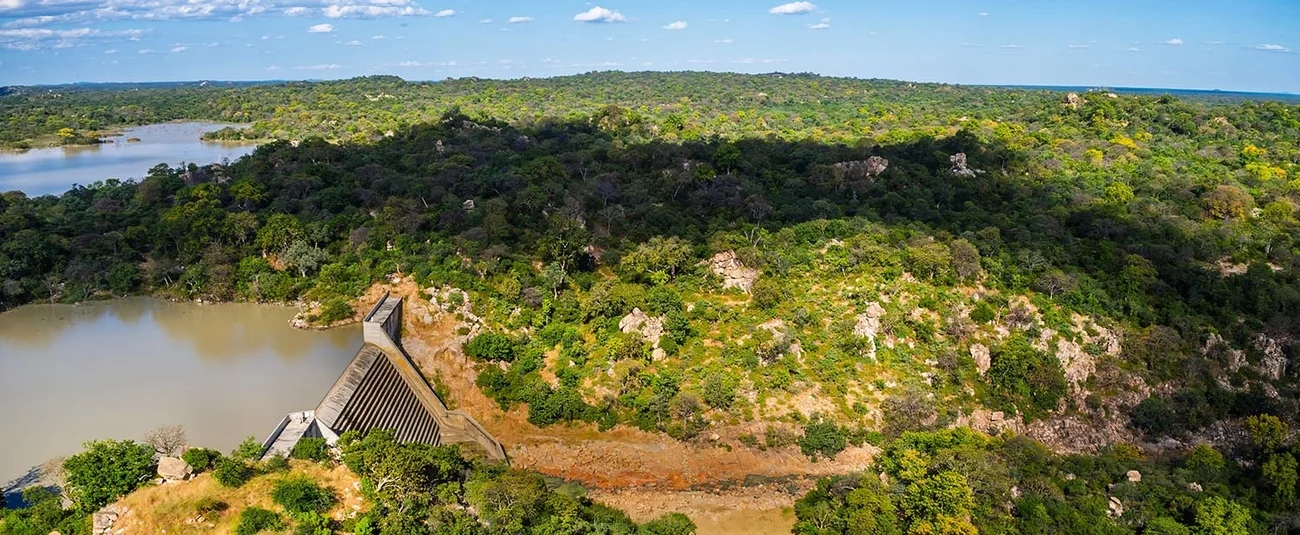
This week, the African Development Bank approved €81.2 million to change that equation. Not with speeches. With concrete. With hillside dams designed to catch the rain when it falls and release it when it’s needed.
But here’s what the press release won’t tell you: this isn’t just an infrastructure project. It’s a peace project. A climate project. A dignity project.
Lets talk Numbers
Forget the euro figures for a moment. Let’s translate:
✅ €81.2 million from AfDB + €7.54 million from Cameroon’s government = €88.74 million total for Phase 1 of the agro-industrial water programme.
✅ Multifunctional hillside dams: Not just for irrigation. For livestock. For households. For small agro-processors who can’t run machinery without reliable water.
✅ Climate adaptation built-in: Hydrometeorological stations to forecast weather. Tree planting to hold soil. Community forests to restore ecosystems.
✅ Phase 2 already mapped: Large multi-purpose dams with 500 million cubic meters of storage capacity. Enough to irrigate 40,000+ hectares of farmland.
✅ The stakes: In 2024 alone, flooding affected over 3 million people in the region. More than 275,000 displaced across the Lake Chad basin.
In plain English? This isn’t a pilot. It’s a pipeline. And if it works, it changes the daily arithmetic for millions.
Promises don’t irrigate fields. Dams do.
Here’s the real story beyond the dams.
Here’s what the official announcement won’t tell you:
Water isn’t just a resource in northern Cameroon. It’s a flashpoint.
When the rains fail, farmers and pastoralists compete for the same shrinking pools. Tensions rise. Conflicts erupt. Livelihoods fracture.
The PDAS-1 programme isn’t just building dams. It’s building buffers. Reliable water access means farmers don’t have to encroach on grazing land. Pastoralists don’t have to drive herds through cultivated fields. Communities can plan, invest, and grow without the constant fear that the next dry spell will undo everything.
And here’s the quiet genius: the project includes hydrometeorological stations.
Translation: weather forecasting that actually reaches the people who need it. A farmer in Kousseri can plan planting around predicted rainfall. A herder in Mokolo can adjust migration routes before the dry season peaks. That’s not just climate adaptation. That’s climate intelligence.
The moon is shining. But walking requires a path that doesn’t flood when it rains or crack when it doesn’t.
So here’s our take at DNA
Infrastructure doesn’t create prosperity. It removes friction so prosperity can move.
The €81.2 million approved this week isn’t a silver bullet. It’s a signal. A signal that climate adaptation and economic development aren’t separate agendas—they’re two sides of the same coin.
But signals don’t irrigate fields. Execution does.
“The truth is like a lion; you don’t have to defend it. Let it loose; it will defend itself.” – African Proverb
The truth here is simple: You can’t build food sovereignty on fragile water systems. You can’t create jobs without reliable infrastructure. You can’t foster peace without addressing the resource competition that fuels conflict.
PDAS-1 is Phase 1. Phase 2 is already mapped. The blueprint is drawn. The capital is committed.
Now it’s about who picks up the trowel. And who ensures the water reaches the people who need it most.
“A single broomstick cannot sweep the compound.” – Yoruba Proverb
No single dam can transform a region. But the right dam, in the right place, with the right governance, can change the trajectory.
The rain will fall. The question is whether Cameroon will be ready to catch it.