The African Development Bank just dropped a quarter-million dollars on a transport plan for Libya. Here’s what that actually means—for Libya, for Africa, and for you.
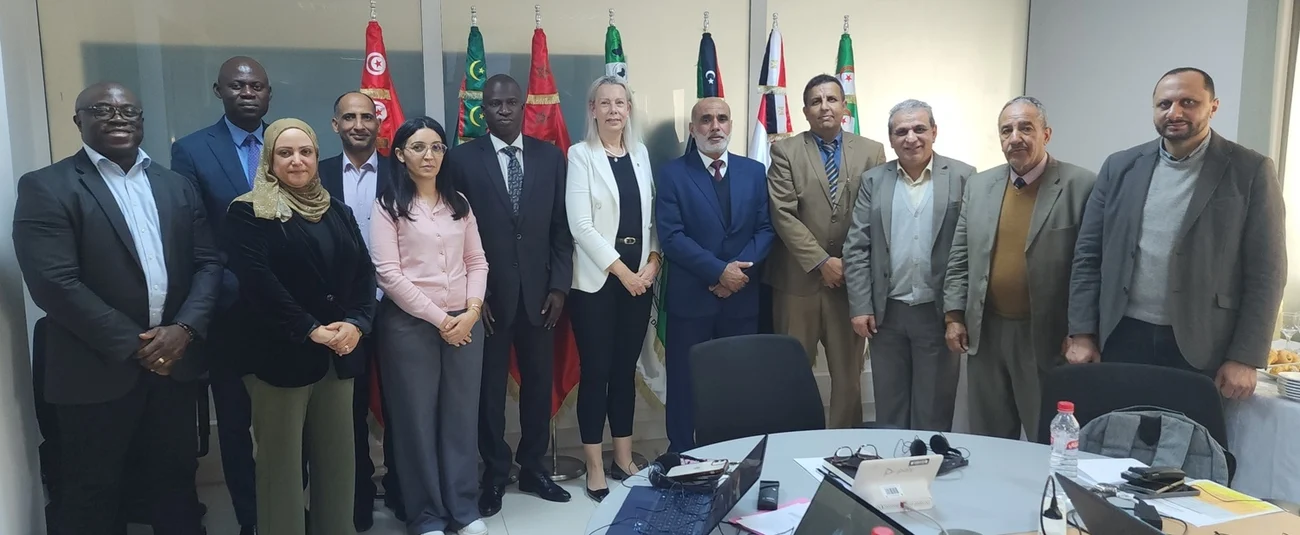
Last week, in a conference room in Tunis, two groups of people sat down: officials from Libya’s Ministry of Transportation, and experts from the African Development Bank. Three days. One goal: figure out how to rebuild Libya’s broken transport system.
The price tag? $340,000.
The promise? “An efficient and integrated transport system connects people to opportunities, facilitates trade, and enhances quality of life.”
WHAT ACTUALLY HAPPENED (Plain English Edition)
The Money: The African Development Bank approved a $340,000 grant to help Libya design a master plan for its transport sector—roads, ports, bridges, logistics.
The Meeting: A 3-day workshop (April 15-17) in Tunis brought together Libyan transport officials, finance reps, and AfDB experts to map out next steps.
The Deliverable: A strategic study that will:
- Audit what’s broken (gap analysis)
- Recommend policy fixes
- Suggest how private companies can help
- Identify projects ready for investment
The Language: Final reports will be published in Arabic, English, and French—so more people can actually read them.
The Source: Facts drawn from African Development Bank press release, with original context from DevNews.Africa.
WHY THIS MATTERS (For Real)
For Libya:
- Roads aren’t just asphalt. They’re ambulances that reach hospitals faster. They’re farmers who get crops to market before they spoil. They’re students who can actually get to class.
- Libya’s been through a decade of instability. Rebuilding transport isn’t a “nice-to-have.” It’s the backbone of recovery.
For Africa:
- Libya is a gateway. Fix its ports and roads, and trade flows more easily across North Africa, into the Sahel, down the continent.
- When one country’s infrastructure improves, it creates ripple effects: cheaper goods, more jobs, stronger regional connections.
For You (Yes, You):
- If you’re young, ambitious, and watching the development space: this is where the action is. Infrastructure = jobs. Logistics = opportunity.
- If you’re just trying to understand how aid money actually works: this is a case study. $340k isn’t for construction. It’s for planning. The real test comes next: who implements, who benefits, who gets left out.
“Not all those who wander are lost—but not all those who plan are ready.”
🔍 THE QUESTIONS NO PRESS RELEASE WILL ASK
Who writes the plan? Will Libyan experts lead—or will this be another contract for a rotating international consultant?
Who gets hired? With global development jobs getting tighter, will this grant create opportunities for local engineers, or go to the usual external firms?
What happens after the report? Studies don’t fix potholes. People do. Will there be political will, security stability, and follow-through funding to turn this plan into pavement?
How do we measure success? Not by pages printed. By: Did ambulance response times drop? Did transport costs for small businesses go down? Did more young people get jobs in logistics?
🎯 The DevNews.Africa take
Here’s the unvarnished truth:
A $340,000 study won’t rebuild Libya’s roads. But a good study—one that listens to Libyan implementers, publishes findings publicly, and ties every recommendation to a real human outcome could be the difference between another forgotten PDF and a genuine catalyst for change.
Development isn’t about perfect plans. It’s about leverage. This grant is a lever. The question is: Who gets to pull it?
“Hope is a lovely strategy. But strategy without execution is just poetry.”
Original Story: https://www.afdb.org/en/news-and-events/press-releases/libya-and-african-development-bank-group-launch-transport-sector-reforms-drive-economic-recovery-92577