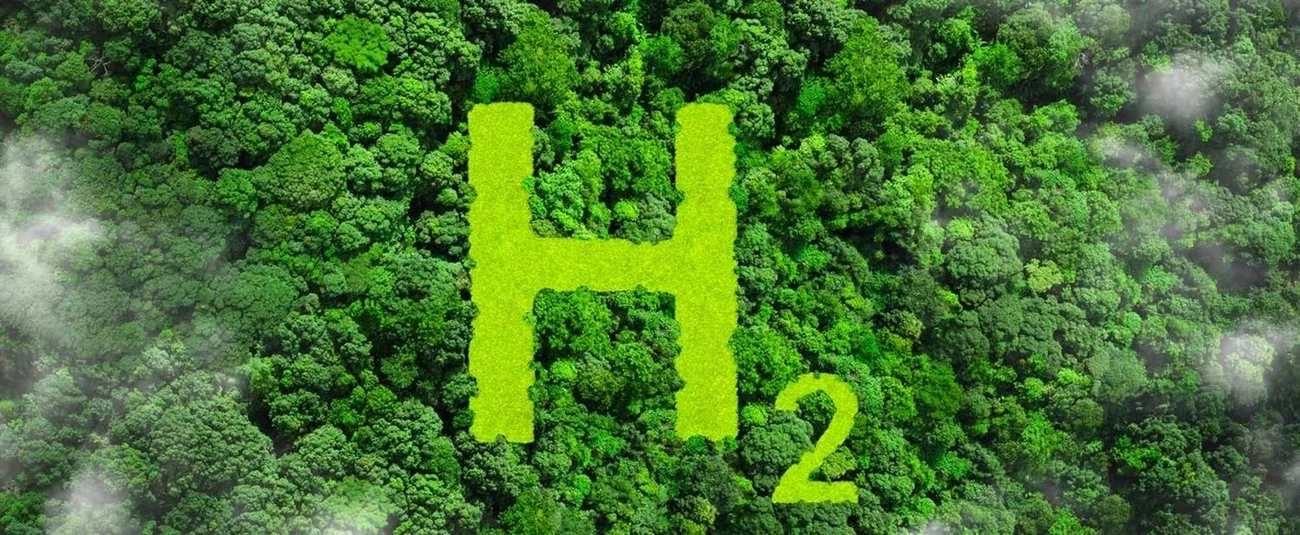
Green hydrogen is having a moment. And this week, the African Development Bank put $20 million behind that moment.
The Bank announced on September 18, 2026 that it will provide reimbursable grants to four green hydrogen projects across Egypt, Morocco, Namibia, and South Africa. The money comes from the Sustainable Energy Fund for Africa, and it is not charity. It is preparation capital designed to move projects from concept to investment readiness.
The total investment these four projects represent? Twenty-three billion dollars. That is the multiplier effect. Twenty million in preparation funding unlocking twenty-three billion in actual construction and operation.
“When you plant a tree, you don’t just get shade. You get fruit, timber, and soil that holds.” — West African Proverb
Africa is planting trees. Now let’s see what grows.
THE FOUR PROJECTS
Let’s break down who gets what:
Project Ra in Egypt (sponsored by DAI Infrastruktur GmbH): $3.55 million grant. This project will produce green ammonia for export to European and global markets from the Suez Canal corridor. Translation: Egypt is positioning itself as a gateway between African renewable energy and European demand.
Guelmim Green Hydrogen Valley in Morocco (sponsored by Nareva Holding): $5.28 million grant. Morocco is building a hydrogen valley, which is essentially an integrated ecosystem where production, storage, and distribution happen in one coordinated zone.
The Hyphen project in Namibia (sponsored by Hyphen Hydrogen Energy): $5.93 million grant. Namibia has been aggressively positioning itself as a green hydrogen hub, leveraging its vast solar and wind resources. This project is part of that ambition.
Saldanha Hydrogen DRI in South Africa (sponsored by Enertrag SE and ArcelorMittal South Africa): $5.24 million grant. This one is different. Instead of fuel, it produces low-carbon iron using green hydrogen. Translation: decarbonizing heavy industry, not just energy.
Combined, these projects represent:
- 20 gigawatts of solar and wind generation capacity
- 7 gigawatts of electrolyzer capacity
- 2,950 megawatt-hours of battery storage
These are not small numbers. They are transformative numbers.
“A single broomstick cannot sweep the compound.” — Yoruba Proverb
No single project can transform a continent. But four projects, strategically placed, can start a movement.
WHY THIS MATTERS (BEYOND THE CLIMATE HEADLINES)
Green hydrogen is not just about reducing carbon emissions. It is about economic positioning.
Africa has some of the world’s best renewable energy resources. Sun that shines brighter and longer. Wind that blows more consistently. Land that is available for large-scale projects. These are competitive advantages in a world that is desperately trying to decarbonize.
But resources alone do not create industries. Capital, technology, skills, and market access do. That is what the Africa Green Hydrogen Programme is trying to build.
The programme aims to:
- Catalyze private sector participation
- Improve project bankability
- Promote foreign direct investment
- Accelerate renewable energy development
- Create jobs and transfer skills
- Generate export revenue
- Increase access to desalinated water and electricity
This is not just an environmental play. It is an industrial strategy.
“If you want to go fast, go alone. If you want to go far, go together.” — Pan-African Proverb
Africa is choosing to go far. And it is inviting partners to walk with them.
THE REALITY CHECK (WHAT COULD GO WRONG)
Announcing grants is easy. Building functional hydrogen economies is hard.
Here are the challenges these projects must navigate:
Infrastructure gaps: Green hydrogen requires massive renewable energy generation, electrolyzers, storage facilities, and transport infrastructure. Africa’s current grid and logistics networks are not ready for this scale.
Capital intensity: The $23 billion these projects represent is just the beginning. Scaling green hydrogen across the continent will require hundreds of billions more. Where will that capital come from?
Market uncertainty: Global green hydrogen markets are still emerging. Demand is not yet guaranteed. Prices are volatile. Off-take agreements are complex.
Skills and technology transfer: Will these projects actually build local capacity, or will they rely on foreign expertise and equipment? The difference between extraction and transformation is who owns the knowledge.
Water scarcity: Green hydrogen production requires significant water for electrolysis. Some of the sunniest, windiest locations are also the driest. Desalination helps, but it adds cost and complexity.
Community impact: Large-scale energy projects can displace communities, alter ecosystems, and concentrate benefits in the hands of elites. Will local populations see jobs, electricity, and economic opportunity, or just environmental disruption?
“The frog that jumps without looking where it lands will end up in the chicken’s mouth.” — West African Proverb
Africa has jumped into green hydrogen. Now it needs to land with eyes open.
Here’s our take at DNA
The Africa Green Hydrogen Programme received 81 proposals from 18 countries. Four were selected. That is an 80 percent rejection rate. It is also a signal that Africa is serious about quality, not just quantity.
Daniel Schroth, the Bank’s Director for Renewable and Energy Efficiency, put it plainly: “Africa’s exceptional renewable energy resources give the continent a unique opportunity to become a competitive player in the emerging global green hydrogen and derivatives market.”
Opportunity is not destiny. Execution is.
These four projects are not the finish line. They are the starting blocks. They represent a bet that Africa can move from resource wealth to industrial value. From energy poverty to energy export. From climate vulnerability to climate leadership.
But bets only pay off if they are backed by discipline, transparency, and accountability.
“The truth is like a lion; you don’t have to defend it. Let it loose; it will defend itself.” — African Proverb
The truth here is simple: Green hydrogen could transform Africa’s economy. Or it could become another extractive industry that exports value and leaves problems behind.
The difference is not technology. It is governance. It is who benefits. It is whether projects are designed with communities, not just for investors.
The $20 million in grants is seed capital. The $23 billion in investment is the test. The real question is whether Africa will own this future or just host it.
The sun is shining. The wind is blowing. The capital is moving.
Now let’s watch who builds, who benefits, and who gets left behind.