
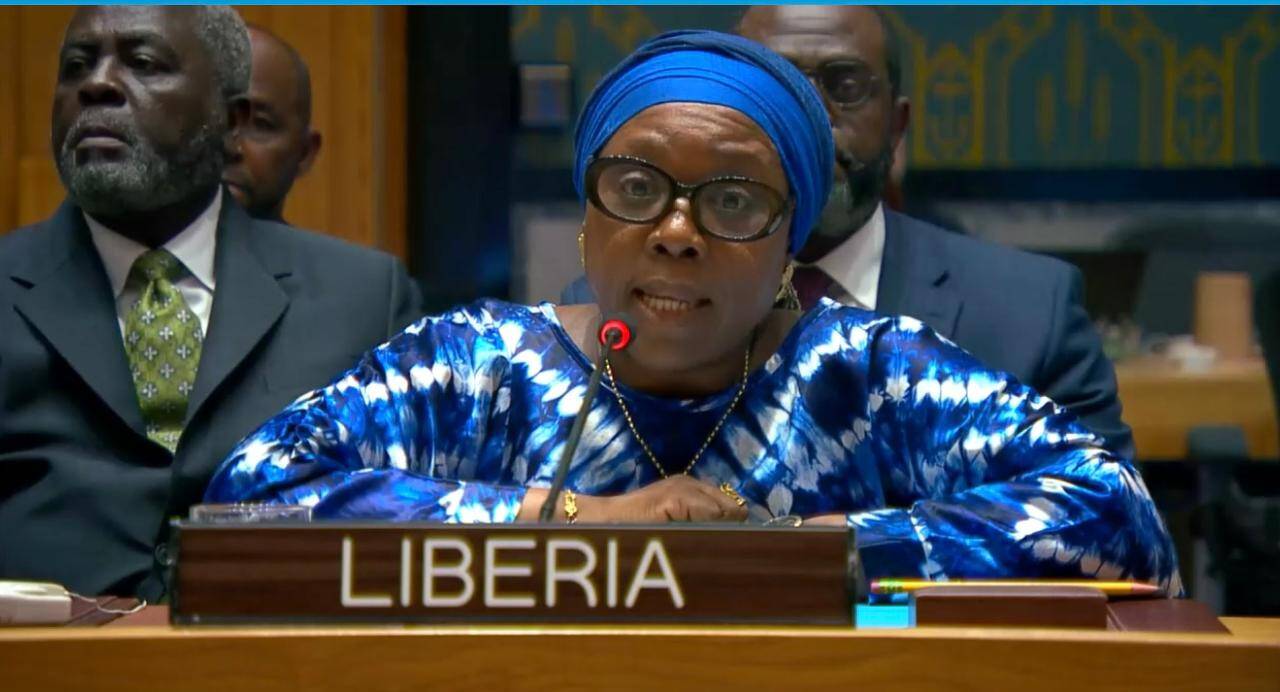
Liberia is about to chair the UN Security Council for the first time in 65 years and that matters far beyond diplomacy. For students, young professionals, and founders, December is a rare opening into maritime security, international policy careers, and Liberia’s attempt to turn post-war credibility into economic opportunity
Liberia holds one of the Security Council’s 10 elected seats for 2026–2027, after winning 181 of 187 votes in June 2025. In December, it takes the Council’s rotating monthly presidency, meaning it helps set the agenda, chairs meetings, and facilitates negotiations among the 15 members.
President Joseph Boakai is scheduled to chair a high-level debate on maritime security on December 3. That choice is not accidental, Liberia’s economy, trade routes, fisheries, ports, and future blue-economy ambitions all depend on safe and governed Atlantic waters.
If you are a student or recent graduate, this is one of the clearest signals yet that Liberia is positioning itself as a serious player in peace, security, and international governance. That creates demand for people who understand international law, shipping, cybersecurity, climate risk, conflict prevention, data, and diplomacy not just people with political-science degrees.
If you run a business or plan to start one, maritime security affects the practical cost of moving goods. Safer shipping lanes, stronger port governance, and clearer regional cooperation can reduce risk for importers, exporters, logistics firms, fish processors, and tech companies building services around trade. The government has also tied the presidency to a national event recognizing seafarers, a reminder that maritime work is a jobs issue, not only a foreign-policy issue.
The bigger opportunity is reputational, Liberia went from being sanctioned by the Security Council during its civil wars to having the last sanctions regime lifted in 2016. That history makes its current seat a proof point: stability, democratic transfers of power, and international credibility can become assets for investment, partnerships, and talent mobility.
A presidency is one month; a foreign-policy legacy requires institutions that outlast it. Foreign Minister Sara Beysolow Nyanti is right that this should be treated as a national process, not a Boakai administration event but the real test is whether Liberia converts the moment into trained diplomats, funded maritime institutions, and opportunities for young Liberians.
The announced calendar includes a feminist foreign-policy launch on November 17, a compendium of Liberia’s peace agreements, a model Security Council debate for young people, and events recognizing seafarers. These are useful entry points, but they will mean little if students cannot access internships, if local researchers are not included in policy design, or if maritime-security decisions remain confined to Monrovia conference rooms.
What to do next
• Study the maritime agenda now. Follow the December 3 debate, then read up on illegal fishing, port security, shipping emissions, piracy, and ocean governance. Liberia’s signature theme is your clearest signal of where policy attention and possibly funding will go.
• Track the Model Security Council debate. If you are a student, treat it as a low cost way to build negotiation, research, and public speaking credentials that can lead to Model UN, fellowships, or foreign-service pathways.
• Apply for the right opportunities early. Watch the Foreign Ministry, UN Liberia, and international organizations for internships, youth consultations, seafarer programs, and peace-and-security roles connected to the presidency.
• Build a maritime-adjacent skill like Data analysis, logistics, environmental policy, cybersecurity, international law, fisheries economics, or Portuguese/French can make you useful to employers in shipping, government, NGOs, and regional trade.
• Demand access, not just symbolism. Ask whether the presidency produces scholarships, paid internships, open policy consultations, and a published strategy for young Liberians in maritime and diplomatic careers.
The headline is that Liberia has a seat at the table. The question for your generation is whether it uses that seat to open doors at home or simply hosts a very expensive month of meetings.