So the European Bank for Reconstruction and Development (EBRD) just did something kind of wild and we are all excited about it.
They made their very first investment in sub-Saharan Africa. Not in Nigeria, not in South Africa, not in Kenya. In Benin.
You know, that country sandwiched between Nigeria and Togo that you’ve definitely scrolled past on a map at least once?
Yeah, that Benin. And they’re dropping €30 million to wire up 750 villages that currently have about as much electricity as your phone at 3%.
The Situation
Here’s the thing: 600,000 people in rural Benin are about to get reliable power for the first time. That’s not “maybe the generator works if you’re lucky” power. That’s “lights actually stay on” power.
The money’s going to SBEE (Benin’s national utility, which sounds like a sneeze but is actually quite important) to extend and modernise the grid across the Mono, Couffo, and Borgou regions.
And look, €30 million sounds like a lot until you realise it’s part of a bigger €173 million package with France’s AFD, the European Investment Bank, and the EU chipping in. Development finance is basically group project economics: everyone contributes, nobody gets full credit.
But Why Benin? Why Now?
Benin only became an EBRD shareholder in 2024. Like, last year. The bank’s been around since 1991, mostly focused on Eastern Europe and Central Asia. So this is them finally looking south and going, “Huh. We should probably do something there too.”
Dasha Dougans, the EBRD’s Head of Benin, said she’s “delighted” to sign this financing. And I believe her. When you’re the first person to do something at a major international bank, you’re either delighted or having a quiet panic attack. Probably both.
The project includes modern stuff too—not just stringing wires between villages, but fault-detection systems (so when things break, they know where), cybersecurity (because apparently people hack power grids now?), and specific support for women and vulnerable households.
The Part Nobody Talks About
Here’s what the press release doesn’t say: connecting these households may just be the easy part.
The hard part?
Making sure they can actually afford to use it. Nothing worse than giving someone a fridge they can’t afford to plug in.
Training enough technicians to keep the lights on when things go wrong. Because “modern grid enhancements” don’t fix themselves.
Actually involving women in the design and implementation, not just checking a box that says “benefits women” and calling it a day.
Making sure this becomes a template for other countries instead of a one-off success story that gets quoted in annual reports and then forgotten.
The Bottom Line
Benin’s about to get a whole lot brighter. Literally.
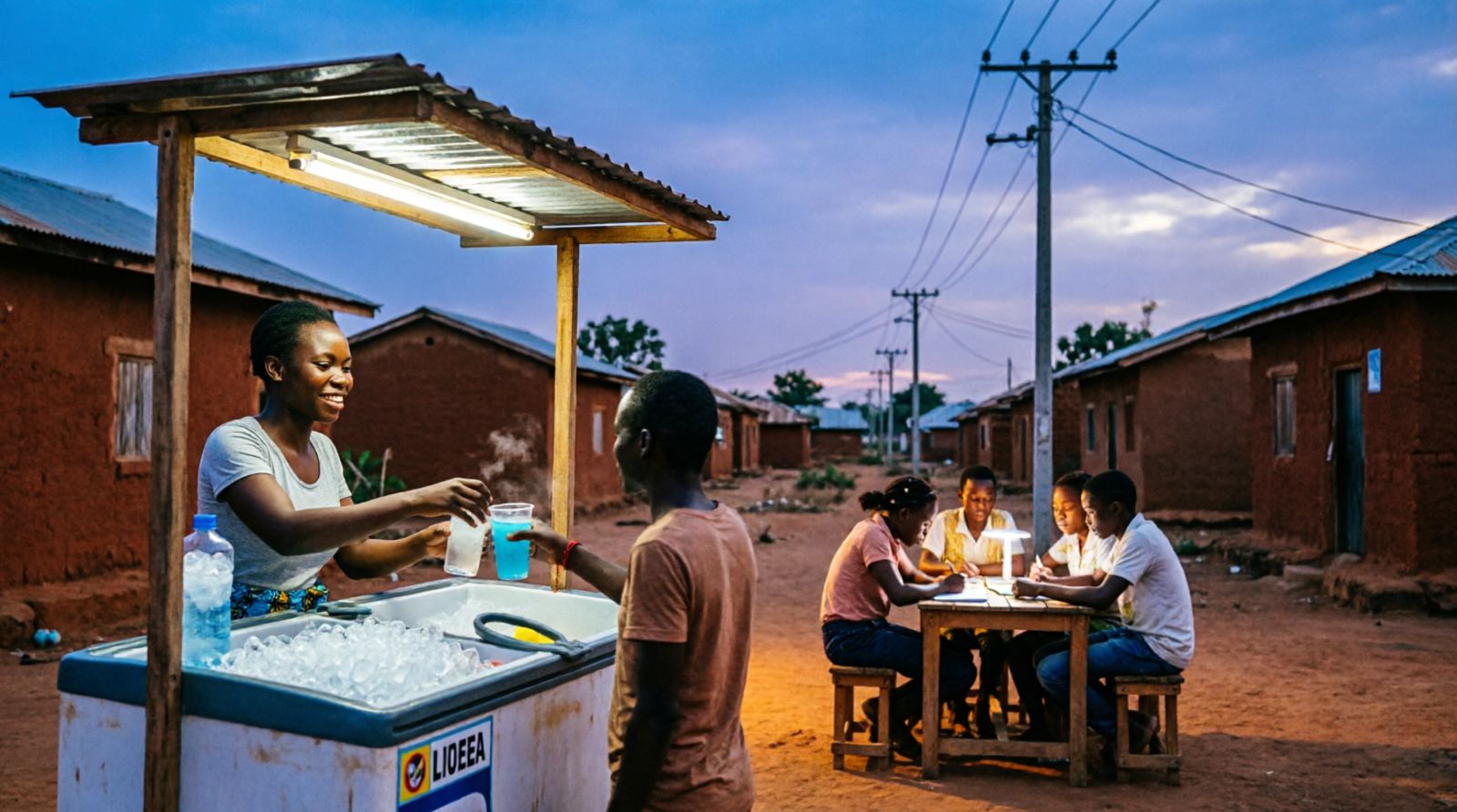
Students will be able to study after dark without draining their phone batteries. Market women can keep food from spoiling. Entrepreneurs can actually run machinery without praying to the generator gods.
And the EBRD? They’re finally in the sub-Saharan game. Whether this becomes their signature move or just a footnote remains to be seen.
But 600,000 people getting electricity for the first time? That’s not a footnote. That’s the story.
What to Watch:
- Do tariffs stay affordable for rural households?
- Does SBEE actually maintain this infrastructure, or does it degrade in five years?
- Do women get real decision-making power, or just “beneficiary” status?
- Does this model actually replicate across the region?
The Real Question:
Infrastructure is infrastructure. But who controls it, who benefits from it, and who gets to decide what happens next? That’s where the actual story lives.
DevNews.Africa — We read the press releases so you don’t have to.