For decades, the global economy has treated Africa like a quarry. You dig up the copper, the iron, the graphite. You ship it overseas in raw form. You let someone else in Europe or Asia turn it into wires, steel, and batteries. Then you buy it back at a premium. That model enriched global supply chains but left African producers trapped at the bottom. The old playbook was extraction. The new playbook is local processing. And the World Bank is finally putting money behind that shift.
“A river that forgets its source will run dry.” (Yoruba Proverb)
Africa is done being a source for other people’s factories. It is time to build the factories.
THE BREAKDOWN
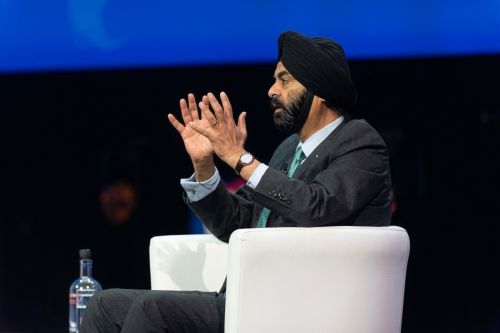
World Bank President Ajay Banga just announced a new initiative called Compacts. The goal is to help African mining countries build local processing industries. The target is massive. The institution aims to mobilize $19 billion in public and private financing for metals and minerals between 2026 and 2030.
Let us look at the three African blueprint countries leading this charge.
Zambia is Africa’s second largest copper producer. The goal here is to expand the manufacturing of copper wires, cables, and transformers. The catch is that local factories currently operate at only 30 to 50 percent capacity. They lack reliable copper supply, affordable financing, and steady electricity. The Compact aims to fix those exact bottlenecks.
Mauritania is focusing on its National Industrial and Mining Company. The goal is to produce 10 million tonnes of iron ore pellets annually by 2035. Why pellets? Because they sell for around $134 per tonne, compared to $91 for raw iron ore fines. That is pure value addition. But it requires massive energy, water, and logistics upgrades.
Malawi currently has mining accounting for less than 1 percent of GDP. But with graphite, rutile, and rare earths in the ground, the plan is to mandate mineral treatment before export by 2027. The target is to increase the local share of mining expenditures from under 5 percent to 15 percent by 2030.
“Well done is better than well said.” (African Proverb)
Headlines do not build factories. Execution does.
WHERE THE JOBS ACTUALLY ARE
This is not just about national GDP figures. This is about jobs. Ajay Banga noted that 1.2 billion young Africans will enter the labor market over the next 15 years, but only 400 million jobs are projected to be created.
Exporting raw dirt creates a handful of mining jobs. Building a copper cable factory, an iron pellet plant, or a local logistics network creates engineers, technicians, supply chain managers, and maintenance crews. It builds an entire economic ecosystem. It turns a temporary mining boom into a permanent industrial base.
PLEDGES VS. DELIVERY
Announcing a $19 billion target is easy. Deploying it is hard. Governments have limited fiscal space. Private investors are risk averse. The history of African mining is littered with local content promises that evaporated into opaque contracts and foreign dominated supply chains.
The test will be transparency. Will the Compacts actually mandate local procurement? Will the financing reach local small and medium enterprises, or will it just flow to multinational contractors? Will the energy and water required for processing be sourced sustainably, or will it strain local communities?
“The truth is like a lion; you don’t have to defend it. Let it loose; it will defend itself.” (African Proverb)
The truth here is simple. Africa does not need better marketing for its raw materials. It needs better execution on its processing plants.
OUR TAKE AT DNA
The era of exporting raw dirt is closing. The era of building factories is opening. The $19 billion is a signal. The Compacts are the blueprint. The question is whether African nations will use this momentum to build lasting industrial capacity, or whether they will simply sign another deal that looks good on paper but changes nothing on the ground.
“If you want to go fast, go alone. If you want to go far, go together.” (Pan African Proverb)
The minerals are in the ground. The value is waiting to be captured. It is time to build the systems that keep that wealth at home.